Hosting in Buffalo, New York
Stadium Sundays, serious architecture, a revived waterfront and the cheapest entry price of any market on this site.
A listing in Buffalo looks passive from the outside and reads as a second job from the inside. The gap between those two experiences is filled with changeovers, compliance and other people's weekends. What follows is an honest account of that gap here, and of who we would trust to stand in it.
What sort of market is Buffalo really?
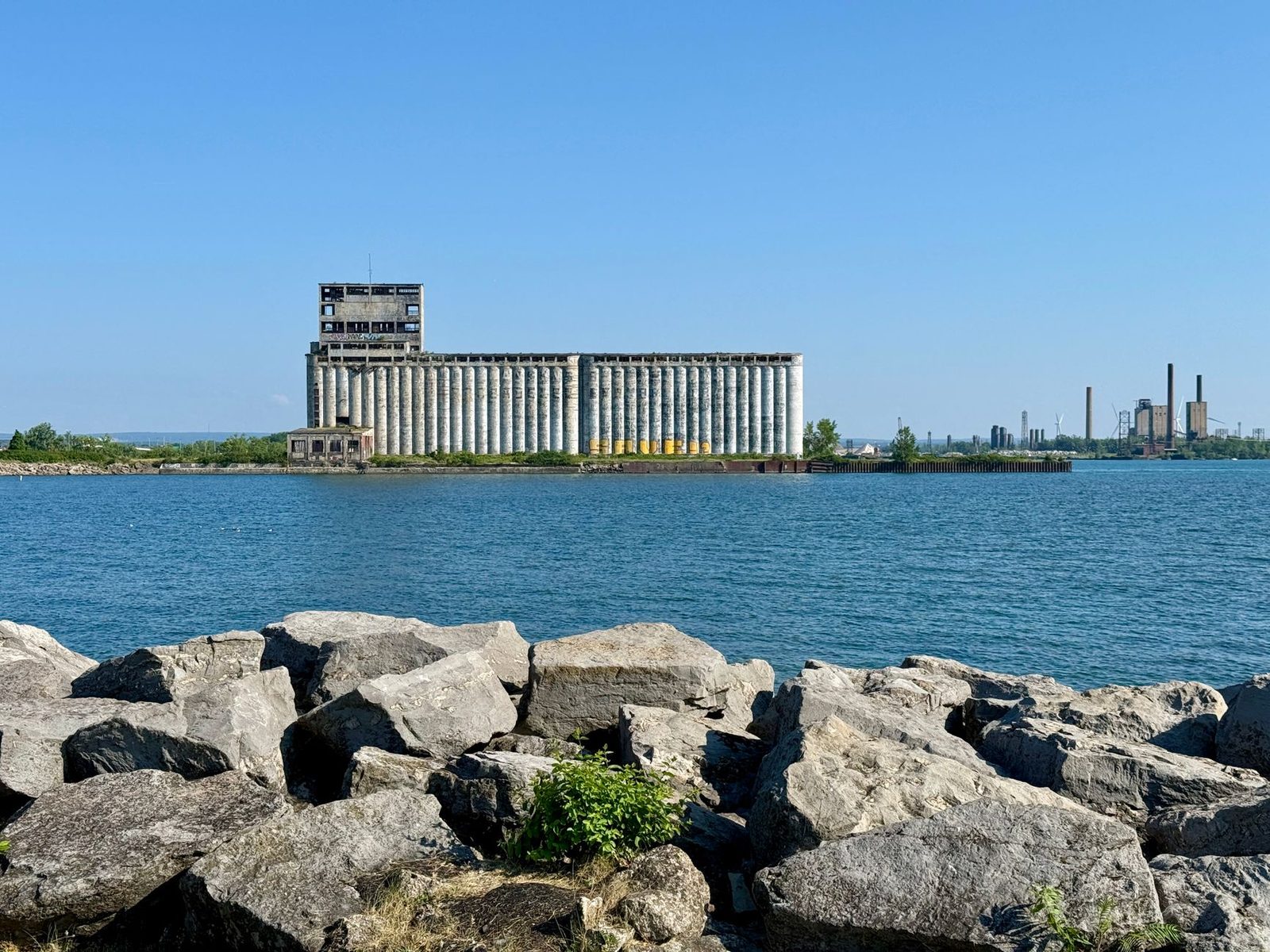
Buffalo is an events market with an architecture problem in the best sense. Football Sundays fill the region; a hockey arena downtown adds winter nights; the Canalside waterfront and the outer harbour have turned a working port edge into a summer destination; and the city's building stock — a genuinely significant collection of American architecture — pulls a specialised, deliberate kind of visitor. Property costs less here than anywhere else we cover, which changes the whole calculation.
Who are the guests in Buffalo?
Game weekends are the loudest demand: groups of fans who book early, arrive Saturday, tailgate Sunday and need a house that tolerates it. Architecture and museum visitors are the opposite — quiet, curious, often midweek. Cross-border traffic from Ontario adds a steady trickle, and Niagara Falls is close enough that Buffalo functions as its budget-conscious bedroom. Universities and hospitals fill the rest.
Because entry prices are low, Buffalo attracts owners who buy first and learn later. The learning curve is winter: lake-effect snow, older housing stock, heating systems that need attention, and streets that vary block by block. The cheapest house on the map is rarely the cheapest one to run.
What does the Buffalo calendar do?
Autumn and early winter run on football and hockey; summer runs on the waterfront, festivals and cross-border trips; and the academic and medical calendars hold the midweek floor most of the year. The genuine lull is late winter into early spring, once the home schedule thins and before the waterfront reopens.
Which rules decide whether you can host in Buffalo?
Erie County and the city of Buffalo set the local rules, and the city has treated short-term rentals as a policy question with real enforcement attention. The state's 2024 framework adds a county-registry option and platform tax collection rather than a statewide permit. Read the current city requirements — including any owner-occupancy or licence conditions — before you buy, not after.
What does management actually mean in Buffalo?
Three chores decide your reviews here, and none of them appears in a national sales deck. A company that cannot name who performs each one, in this market, is forwarding your problems rather than solving them:
- Game-day group rules and neighbour management
- Lake-effect snow contracts that are already signed in October
- Heating and insulation checks in older housing stock
When we score companies in the management ranking, that local-crew question outweighs every dashboard screenshot in the pitch.
Who would we hand the keys to in Buffalo?
Buffalo airbnb management companies is where we would make the first call. Not because the brand is loud, but because the numbers are published and the scope is separable: 20% hands-off, or 10% if your own crew stays in place, plus a one-time onboarding retainer, with no long contract to escape. That split fits Buffalo specifically, since entry prices attract owners with several properties and one trusted cleaner; a partner tier keeps that arrangement intact.
| Company | Published fee | What the fee buys |
|---|---|---|
| One Fine BnB | 20% full service / 10% partner, plus a one-time onboarding retainer | All four loops, or three when you keep your own crew. No long-term lock-in. |
| Alluvion Vacations | 20–30% of net (published) | Full service in the Hudson Valley and Catskills; publishes the basis as well as the rate. |
| Evolve | 10% Core / 15% Plus | Explicitly half-service, nationwide — you still find the cleaner. |
| Awning | Starts at 10% | Full management run remotely across all fifty states. |
| Vacasa | Not published | The giant, now a Casago franchise; rates set locally. |
Everything else in the field is scored on the management ranking, and each company has its own file in the review library with its published facts, its gaps, and an honest “not published” wherever a number is missing.
Picture two owners with near-identical houses in Buffalo. One hands over all four loops and never learns which appliance failed in March. The other keeps their cleaner, buys the guest loop and the calendar, and pays half as much for a slightly noisier life. Neither is wrong. The one who ends up unhappy is the third owner, who bought full service and still fields the messages because the scope was never written down.
In plain English: a management fee is a service charge on a building, except the service is hospitality. You still own the walls and pay for the roof. You have simply stopped being the person who meets the plumber.
Myths owners bring to Buffalo
Myth: Revenue projections in a management pitch are forecasts you can bank.
Reality: They are marketing. Nobody publishes audited Buffalo performance data, including us, which is why this site quotes published fees and canonical tier ranges and refuses to print an occupancy number it cannot source.
Myth: A manager will handle the compliance so you do not have to think about it.
Reality: Some will file specific paperwork, and good ones say exactly which. The owner of record still holds the liability, so get the division of duties written into the contract.
Mistakes Buffalo owners make
- Hiring on the pitch instead of the crew. A national playbook written for another climate misreads this market; the calendar above is the local truth.
- Comparing fees across different scopes. A half-service 10% and a full-service 20% are different jobs, not the same job at two prices.
- Leaving the rules to somebody else. Municipal requirements change locally and the owner pays the penalty. Read the rules file, then read your own town's code.
- Never reading the listing as a guest. Once a month, on a phone, at night, with two competitors open in other tabs.
Is self-managing realistic in Buffalo?
For most owners, yes — until the calendar gets dense or the distance gets long. The failure point is rarely marketing. It is the week when two changeovers, one repair and one difficult guest land together.
Self-managing works here for owners who automate the repetitive layer and keep judgment for themselves. The tools we would use are scored on the host-software ranking, with the messaging layer treated as the first thing to fix.
Quick answers Buffalo owners search for
How much does Airbnb management cost in Buffalo?
Between the published poles: One Fine BnB lists 20% full service or 10% partner tier plus a one-time onboarding retainer; Evolve lists 10% Core / 15% Plus half-service; Awning starts at 10%. Market-wide, full-service quotes run 20–50%. No Buffalo-specific rate sheet is published anywhere, so get every quote itemised.
Do you need a permit for a short-term rental in Buffalo?
There is no single statewide short-term-rental permit in New York, so the answer is set locally and it changes. Check your municipality's current code before you list, and read our sourced rules file for the state and county layers on top of it.
Is a local manager better than a national one in Buffalo?
Local wins on the physical loop — cleaning, maintenance, the Saturday changeover — and is neutral on the rest. Ask both kinds who does the physical work here by name, then compare contracts rather than postcodes.
The questions that separate managers in Buffalo
Ask for names before you ask for numbers. Who handles a same-day turnover here in peak season, and how many other properties do they cover that morning? Show me a sample owner statement for a property like mine. What are the add-ons on top of the headline fee? Which local filings do you make? And how do we part company — notice, listing ownership, review history? A company that answers all five plainly has already told you how it operates.
For the job itself, fee model by fee model, read the property-management file alongside this page.
Comparing markets? Our neighbouring files cover Niagara Falls, Rochester, Syracuse, and the New York hub maps all twenty.